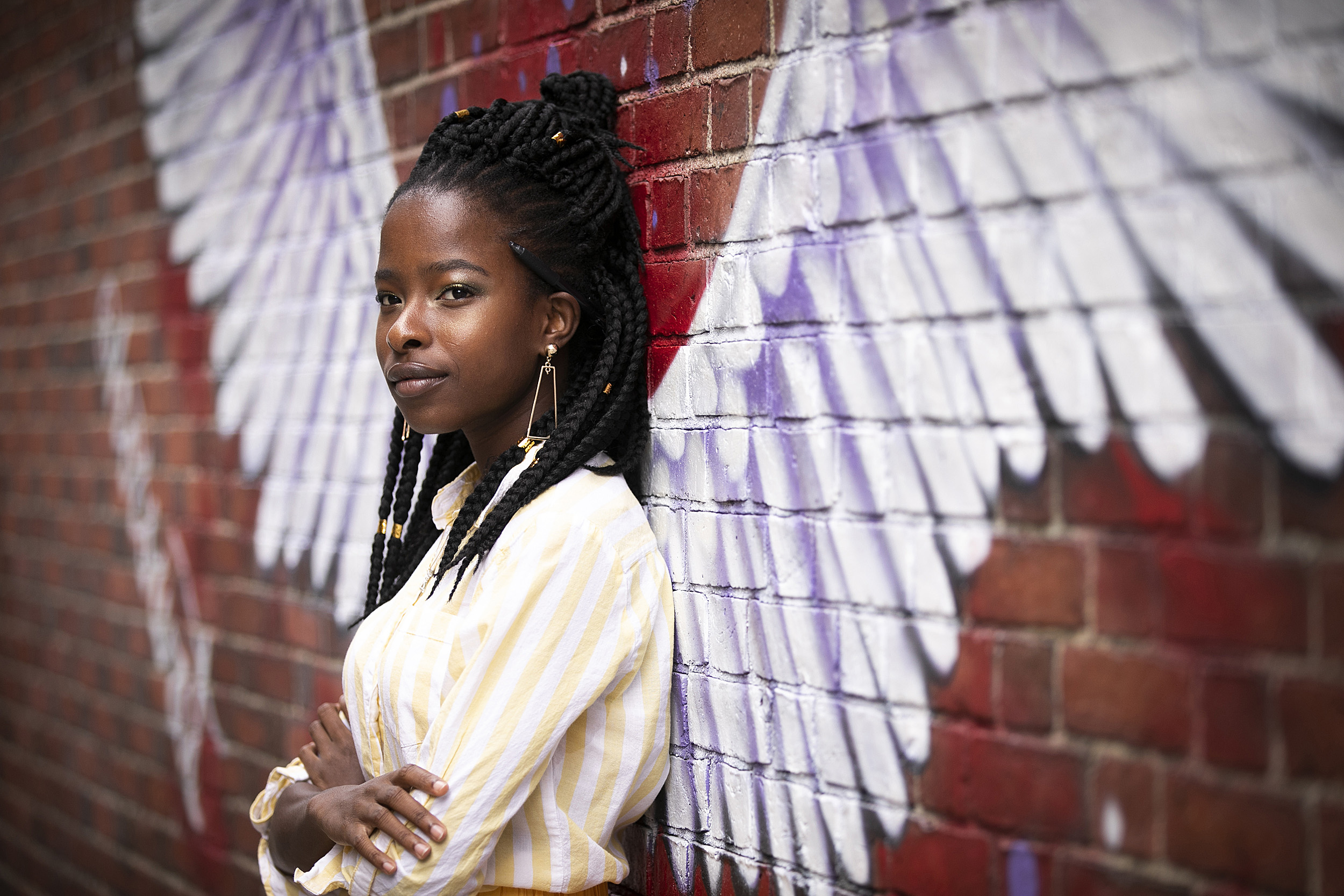
The Harvard Youth Poet Laureates stand at the forefront of a vibrant poetic movement, embodying the spirit and creativity of young writers today. This esteemed group includes National Youth Poet Laureates like Evan Wang, along with former laureates such as Salome Agbaroji and Alyssa Gaines, showcasing the diverse voices that flourish within Harvard’s artistic community. Each of these talented poets brings their unique perspectives to the stage, with Evan Wang’s innovative poetry, Salome Agbaroji’s captivating performances, and Alyssa Gaines’s transformative writing journey all contributing to a rich tapestry of expression. As they navigate the intersection of academics and artistry, these Harvard poets inspire fellow students and audiences alike to explore their own creative potential. Their collective work not only highlights the power of spoken word but also emphasizes the importance of representation and the sharing of personal narratives in shaping a more inclusive cultural landscape.
The vibrant talent of the Harvard Youth Poet Laureates is a testament to the flourishing landscape of contemporary poetry among youth today. This distinguished group mirrors the vision and voices of a new generation of writers, such as the National Youth Poet Laureates and their influential performances across platforms. Among them, Evan Wang, Salome Agbaroji, and Alyssa Gaines exemplify the profound connection between academia and the arts, offering a fresh perspective on poetic expression. By intertwining narratives of personal experience, social justice advocacy, and a commitment to community engagement, these poets challenge the conventional boundaries of poetry, inviting all to immerse themselves in the resonant world they create. Their dedication not only celebrates the craft but also paves the way for an inclusive dialogue about the significance of storytelling in our society.
The Impact of Harvard Youth Poet Laureates
The legacy of Harvard Youth Poet Laureates is not only impressive but also transformative for the poets themselves. Being recognized as a National Youth Poet Laureate, like Evan Wang, Salome Agbaroji, and Alyssa Gaines, entitles these young artists to a platform that amplifies their voices. This recognition grants them access to a spectrum of opportunities, from performances at significant cultural venues to collaborations with other artists, all while navigating the rigorous academic landscape of Harvard University. For many, this title marks a defining moment in their artistic journey, influencing their writing style and thematic focus.
As demonstrated by Evan Wang ’29, the title has compelled him to explore themes of identity and belonging more deeply. His work delves into personal experiences like racial microaggressions, allowing for a broader conversation on these issues through the lens of his ongoing experiences as a queer Asian American. By showcasing their talents, these poets not only affirm their place in literary culture but also pave the way for others who may feel underrepresented or marginalized.
Salome Agbaroji and Alyssa Gaines similarly reflect on how their tenure as National Youth Poet Laureates has shaped their artistic expression. Agbaroji, whose work combines political themes with more personal narratives, embodies the notion that poetry can break down barriers. By encouraging fellow students to embrace their poetic potential without fear of judgment, she restores the democratic nature of the art form. Meanwhile, Gaines’ return to poetry emphasizes the personal growth that occurs when an artist re-engages with their core passion. Both poets highlight the importance of self-identification beyond awards and accolades; rather, they seek to inspire a community of poets at Harvard who embrace their uniqueness.
Balancing Academics and Artistic Expression
Balancing rigorous academic demands with the pursuit of artistic expression is an ongoing challenge for many Harvard students, especially for those recognized as Youth Poet Laureates. Evan Wang’s experience illustrates this struggle vividly; he meticulously plans his writing sessions around late-night study hours, emphasizing the importance of timing and mood in creating his poetry. The balance between maintaining academic excellence and fostering a creative identity is not simply an individual challenge; it reflects a broader cultural dialogue at Harvard. Wang’s ability to navigate this balance showcases the dedication required to hone his craft while upholding academic integrity.
In contrast, Salome Agbaroji reveals a different perspective on balancing school life with her artistic commitments. Her journey involved navigating opportunities such as TED Talks and performances, all while managing her studies. Agbaroji captures the essence of this balancing act by recognizing that the urgency to create can co-exist with academic responsibilities. This interplay of academic rigor and artistic passion resonates through her work as she promotes the idea that poetry should be accessible to all, not just those with titles or accolades.
Alyssa Gaines’ narrative further complicates this theme of balance, as she reflects on a two-year break from poetry in search of other interests. This hiatus from writing led to a vital realization: her passion for writing is unshakeable. It’s a testament to how time can shape our creative rhythms, and for her, the interstitial moments between classes and engagements become opportunities to reconnect with her writing. Gaines underscores a significant aspect of the artist’s journey—the need to explore other facets of life while still cherishing one’s primary passion. This evolving understanding mirrors that of many students at Harvard, where the pressure to excel academically can often feel at odds with personal interests.
The Evolution of Poetic Voice at Harvard
As National Youth Poet Laureates, the evolution of each poet’s voice is significantly influenced by their time at Harvard. For Evan Wang, his exposure to various literary forms and performance techniques has shaped his reflective confessional style. Emphasizing how a single word choice can alter a poem’s impact, he dives deep into his personal experiences, and his growth is evident as he draws inspiration from contemporary poets like Ocean Vuong. His journey highlights the importance of vulnerability in poetry and how education can redefine one’s artistic expression.
Wang’s narrative demonstrates the transformative power of performing poetry and connecting with the audience. As he refines his voice, he embraces risks and experimentation, which is a sentiment echoed by his peers. This pursuit of authenticity allows the poetic art form to flourish in ways that resonate deeply with his audience, reflecting broader themes of identity and community but also illuminating individual struggles.
Similarly, Salome Agbaroji’s artistic evolution reflects her growing confidence across diverse platforms. She has gracefully transitioned from writing primarily about societal issues to incorporating personal reflections into her works. This shift signifies a maturation of her poetic voice, where she acknowledges the importance of personal experiences while addressing broader themes of justice and community. By blending her passion for poetry with her love for music, Agbaroji challenges traditional forms, appealing to new audiences and creating a unique artistic identity.
In contrast, Alyssa Gaines’ development showcases a restorative journey back to poetry after a hiatus. Her latest works reflect profound themes linked to maritime navigation and historical consciousness. Her storytelling approach, imbued with rich imagery and rhythmic alliteration, illustrates growth from a former Youth Poet Laureate to a seasoned artist re-engaging with her craft. This exploration of themes resonates with historical and contemporary narratives, as she strives to connect personal history with collective memory. Through her evolution, one can see how these young poets foster not only their own voices but collectively elevate contemporary discussions on art and identity.
Creating Community Through Poetry
The act of writing poetry extends beyond personal expression; it fosters a sense of community among poet peers at Harvard. The experiences of Evan Wang, Salome Agbaroji, and Alyssa Gaines highlight the communal bonds formed through shared artistic endeavors and discussions. Wang’s role in the IOP Coalition for the Arts signifies his commitment to creating platforms for diverse voices, encouraging collaboration amongst artists. This initiative underlines that poetry can serve as a bridge connecting varied narratives and experiences, enriching the cultural tapestry at Harvard.
Agbaroji, too, emphasizes community in her goals as a poet. By advocating that anyone can be a poet, regardless of accolades, she invites her peers into a shared space of creativity and expression. This initiative breaks down barriers and perceptions that often surround the writing community. Her collaborations with others in performance arts create a hybrid space for creative expression, allowing voices to rise and be heard without judgment, which in turn cultivates a more inclusive environment.
Alyssa Gaines echoes this sentiment in her own work, where she emphasizes the importance of collaboration and intermingling of various art forms. As a co-director of the Black Arts Collective and participating in organizations like the Harvard Advocate, she illustrates how poets can create a supportive network. This network serves as an incubator for artistic growth, allowing poets from different backgrounds and experiences to inspire each other. Gaines’ return to writing signifies a reclamation of artistic identity, reinforcing the notion that community support plays a pivotal role in personal and artistic development.
These established connections pave the way for future generations of poets, fostering a vibrant cultural landscape. Together, they mold a community where art can thrive, inspiring dialogue and ensuring that poetry remains a significant medium for exploring and addressing pressing issues.
Frequently Asked Questions
Who are the current Harvard Youth Poet Laureates?
Harvard Youth Poet Laureates include the current National Youth Poet Laureate Evan Wang, along with former laureates Salome Agbaroji and Alyssa Gaines. They have made significant contributions to poetry and the arts while studying at Harvard College.
How has being a National Youth Poet Laureate affected Evan Wang’s poetry?
Being the National Youth Poet Laureate has significantly impacted Evan Wang’s poetry, allowing him to explore themes of queer romance and the immigrant experience. His performances are influenced by how poetry sounds when spoken, reflecting a blend of personal experience and artistic expression.
What makes Salome Agbaroji stand out as a Harvard poet?
Salome Agbaroji stands out as a Harvard poet through her commitment to making poetry accessible and relatable. She encourages others to embrace poetry for enjoyment rather than perfection and seeks to blend poetry with music, showcasing her diverse talents.
What themes does Alyssa Gaines explore in her poetry?
Alyssa Gaines explores themes such as maritime navigation, the transatlantic slave trade, migration, and memory in her poetry. Her writing reflects her deep engagement with historical and social issues, shaped by her experiences as a National Youth Poet Laureate.
How do Harvard Youth Poet Laureates balance their academics and poetry?
Harvard Youth Poet Laureates like Evan Wang, Salome Agbaroji, and Alyssa Gaines balance their academic commitments with their poetry by dedicating time between classes, during meals, and at night. Their passion for poetry drives them to integrate writing into their busy schedules effectively.
What kind of projects are Harvard Youth Poet Laureates currently involved in?
Current projects of Harvard Youth Poet Laureates include Evan Wang’s chapbook ‘Slow Burn’ and a choral piece with the Mendelssohn Chorus, Salome Agbaroji’s spoken word album blending poetry and music, and Alyssa Gaines’s return to writing after exploring broader interests through her studies.
How did Amanda Gorman influence the Harvard Youth Poet Laureates?
Amanda Gorman’s recognition as the inaugural National Youth Poet Laureate has inspired the current Harvard Youth Poet Laureates, including Evan Wang, Salome Agbaroji, and Alyssa Gaines, to pursue their artistic journeys and redefine the role of poetry in their lives.
What experiences shape the creative writing of Harvard poets like Evan Wang and Salome Agbaroji?
Evan Wang and Salome Agbaroji’s creative writing is shaped by personal experiences such as encountering racial microaggressions, social activism, and their journeys of self-discovery. These experiences inform their poetic voices and the themes they explore.
How can others get involved in poetry like the Harvard Youth Poet Laureates?
To get involved in poetry like the Harvard Youth Poet Laureates, individuals can start writing freely without the pressure of perfection, participate in local poetry events, and connect with communities that celebrate artistic expression to foster their own writing journeys.
| Aspect | Evan Wang ’29 | Salome Agbaroji ’27 | Alyssa Gaines ’26 |
|---|---|---|---|
| Role | National Youth Poet Laureate (2025-2026) | National Youth Poet Laureate (2023-2024) | National Youth Poet Laureate (2022-2023) |
| Writing Style | Reflective, confessional, focusing on queer romance, yearning, and immigrant experience | Democratic, accessible, encouraging experimentation and personal expression | Exploratory, reflecting on maritime themes, migration, and memory |
| Motivation | Inspired by personal experiences and vulnerability | Creating with urgency and fun, motivated by upcoming album | Realization of love for writing and creative expression |
| Education and Activities | Chair of the IOP Coalition for the Arts, creative director for FIG Magazine | Captains Omo Naija, Harvard’s African dance troupe, creates a spoken word album | Member of the art board for Harvard Advocate, works on various committees |
| Inspirations | Ocean Vuong, emphasizing vulnerability in poetry | Influenced by artists like Kendrick Lamar and Noname | Inspired by June Jordan and Tracy K. Smith |
Summary
The Harvard Youth Poet Laureates exemplify the vibrant intersection of poetry with personal and cultural narratives. Through their experiences, Evan Wang, Salome Agbaroji, and Alyssa Gaines illustrate the transformative power of poetry not only as an art form but as a vital means of expression that resonates with diverse audiences. Each laureate, shaped by their unique journeys at Harvard, contributes to a rich tapestry of voices that elevate contemporary poetry, making it accessible and relatable. As they continue to forge paths in both arts and academia, the Harvard Youth Poet Laureates inspire others to embrace creativity and authenticity in their own artistic endeavors.